
Quick Summary
Ear piercing placements include the earlobe, upper lobe, helix, forward helix, tragus, anti-tragus, conch, daith, rook, flat and snug. Lobe piercings heal in about 6 to 8 weeks, while cartilage piercings take 6 months to 1 year. The best choice depends on your ear anatomy, pain tolerance and healing time.
- Lobe and upper lobe piercings typically heal in 6 to 8 weeks with low pain.
- Helix and cartilage piercings typically take 6 months to 1 year to heal.
- Cartilage piercings heal more slowly than lobe piercings and need more precise placement.
- Use implant-grade titanium or solid gold for healing piercings, not gold-plated pieces.
- Change jewellery only after the piercing has fully healed, confirmed by a piercer.
Table of Contents
- Ear Piercing Names With Pictures: A Placement Guide
- Ear Piercings Chart: Placement, Pain and Healing Time
- Lobe and Upper Lobe Piercings
- Helix Ear Piercing and Forward Helix Placements
- Cartilage, Tragus, Conch, Daith and Rook Piercings
- Types of Ear Piercing Jewelry and When to Change It
- Choosing the Right Ear Piercing for Your Anatomy and Booking Your First Piercing
- Frequently Asked Questions
Ear Piercing Names With Pictures: A Placement Guide
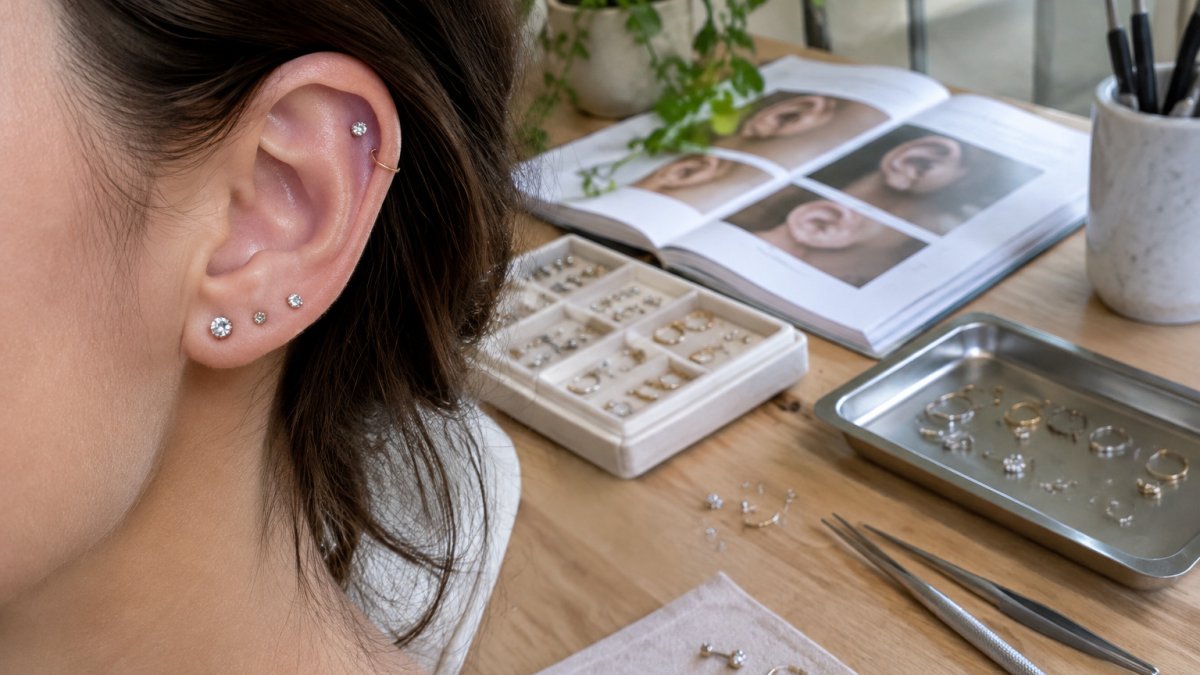
Ear piercing comes in more placements than most people realise, and each one suits a different ear shape, pain tolerance and style. This guide covers the main ear piercing names, where each sits on the ear and what to look for in jewellery.
Stretch It Body Jewellery, The Top 10 Most Popular Piercings in 2026
Ear Piercings Chart: Placement, Pain and Healing Time
A placement chart helps you compare where each piercing sits, how much it typically hurts and how long it takes to heal. Healing time depends mostly on whether the piercing goes through cartilage or soft lobe tissue.
Earlobe piercings typically heal in several weeks, while cartilage piercings take considerably longer. National Environmental Health Association, Ear Piercing Guns policy statement
| Placement | Typical Healing Time | Relative Pain | Jewellery Type |
|---|---|---|---|
| Earlobe | 6 to 8 weeks | Low | Studs, hoops |
| Upper lobe | 6 to 8 weeks | Low to moderate | Studs, barbells |
| Helix | 6 months to 1 year | Moderate | Barbells, flat-backs |
| Cartilage (conch, tragus, daith, rook) | 6 months to 1 year | Moderate to high | Captive beads, barbells |
Pain varies between individuals, so treat these ratings as a general guide rather than a promise.
Lobe and Upper Lobe Piercings
Lobe piercings are the most forgiving starting point. The soft tissue heals quickly, and most people find the sensation brief. Upper lobe piercings sit just above the earlobe and use the same soft tissue, so they follow a similar healing timeline.
The main practical difference is fit. Upper lobe piercings suit people with a narrow or attached earlobe, because there is more room to place the piercing cleanly. Ask a professional piercer to check your ear anatomy before you choose a spot. Compare pain levels, costs and aftercare in our piercing types guide.
Helix Ear Piercing and Forward Helix Placements
The helix is the upper, outer rim of the ear. A helix piercing goes through cartilage, so it heals more slowly than a lobe piercing. The forward helix sits closer to the front of the ear, near the face.
Helix piercings are popular for stacking, and they suit barbell or flat-back styles. Expect a longer healing period, and avoid sleeping directly on a fresh helix piercing.
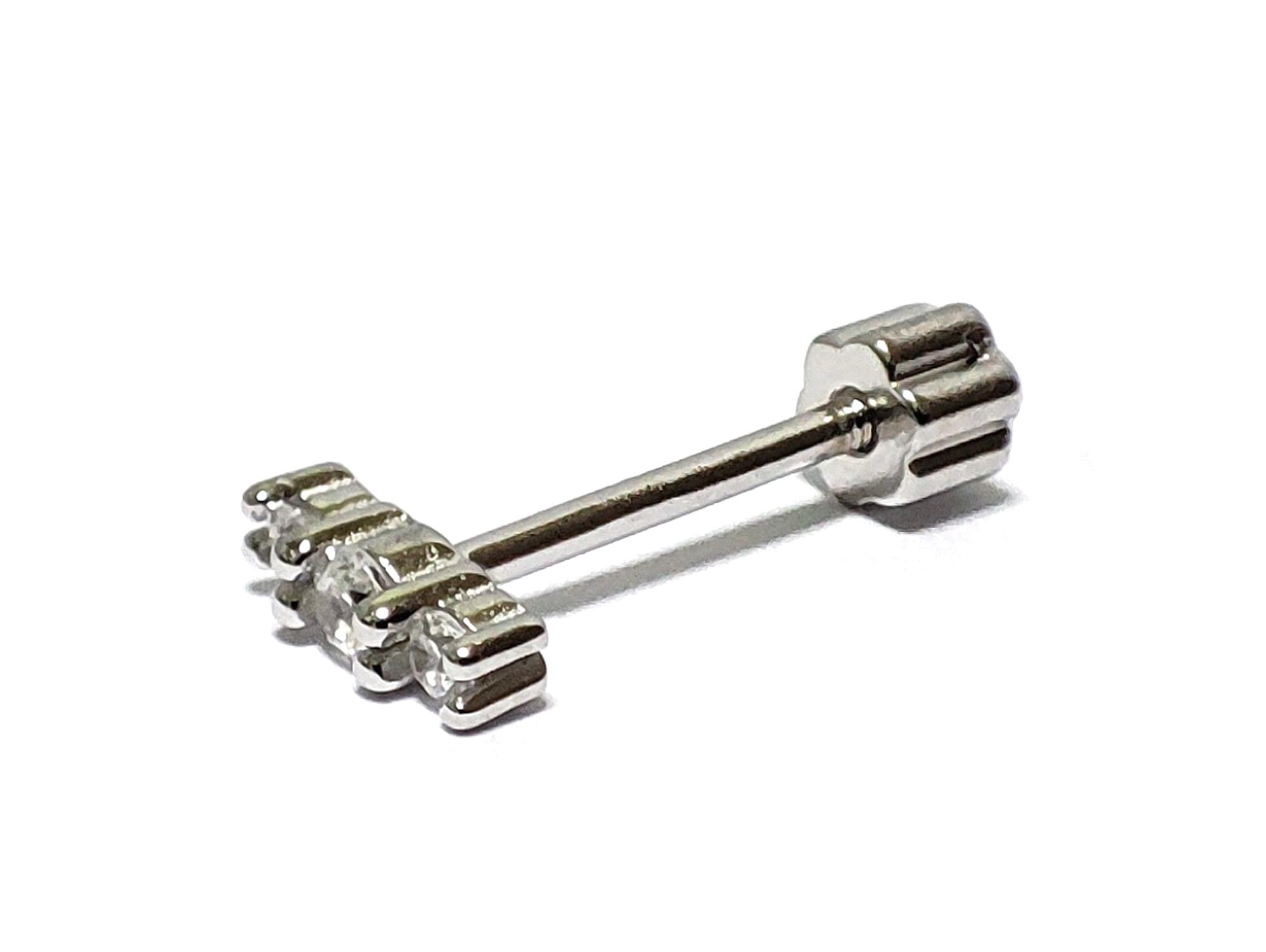
Our Silver Helix Barbell with CZ crystal sets comes in a 20g gauge with a 9mm bar length.
Cartilage, Tragus, Conch, Daith and Rook Piercings
Cartilage piercings sit in the firmer, less vascular tissue of the ear, which is why they heal more slowly than lobe piercings and why placement accuracy matters more. Each name refers to a specific anatomical spot, and the same ear can support some placements but not others depending on the folds and ridges you were born with. Explore more piercing types, including nose piercings, in our top seven guide.
- Tragus: the small flap of cartilage in front of the ear canal. It suits a small stud or a short barbell, and it can be tricky for people whose tragus is very small or angled inward.
- Anti-tragus: the ridge of cartilage directly opposite the tragus, above the lobe. It is less common and often needs a curved barbell because of the ridge's shape.
- Conch: the bowl-shaped hollow of the inner ear. An inner conch piercing goes through the centre of the bowl, while an outer conch sits nearer the rim; both can take a stud during healing and a hoop once healed.
- Daith: the inner fold of cartilage above the tragus. It is a deep placement that can be fussy to clean, and some piercers will only attempt it if the fold is prominent enough to support jewellery.
- Rook: the ridge of cartilage above the daith. It typically takes a curved barbell, and anatomy that is too shallow or too soft may rule it out.
- Flat: the broad, flat panel of cartilage on the upper ear. It is a good canvas for statement studs because there is more surface area than the rim placements allow.
- Snug: a piercing that passes through the anti-helix ridge on the inner upper ear. It is one of the more anatomy-dependent placements and is not suitable for every ear.
- Forward helix: the small ridge of cartilage at the front of the ear near the face. It is covered in more detail in the helix section above, but it belongs in the cartilage family because it heals on the same slower timeline.
Ear folds vary, so it is worth asking a piercer whether your anatomy supports a particular placement before you commit.
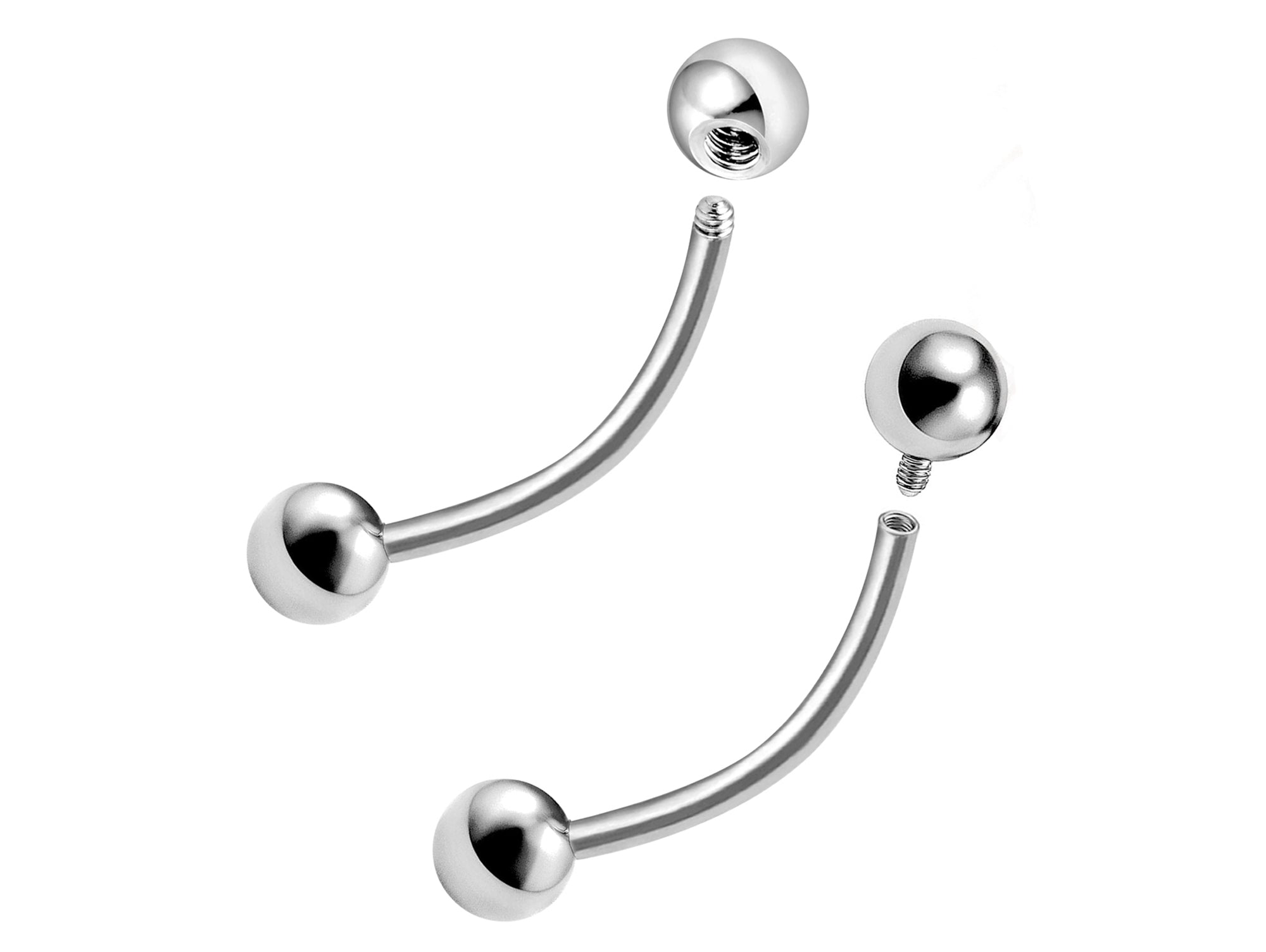
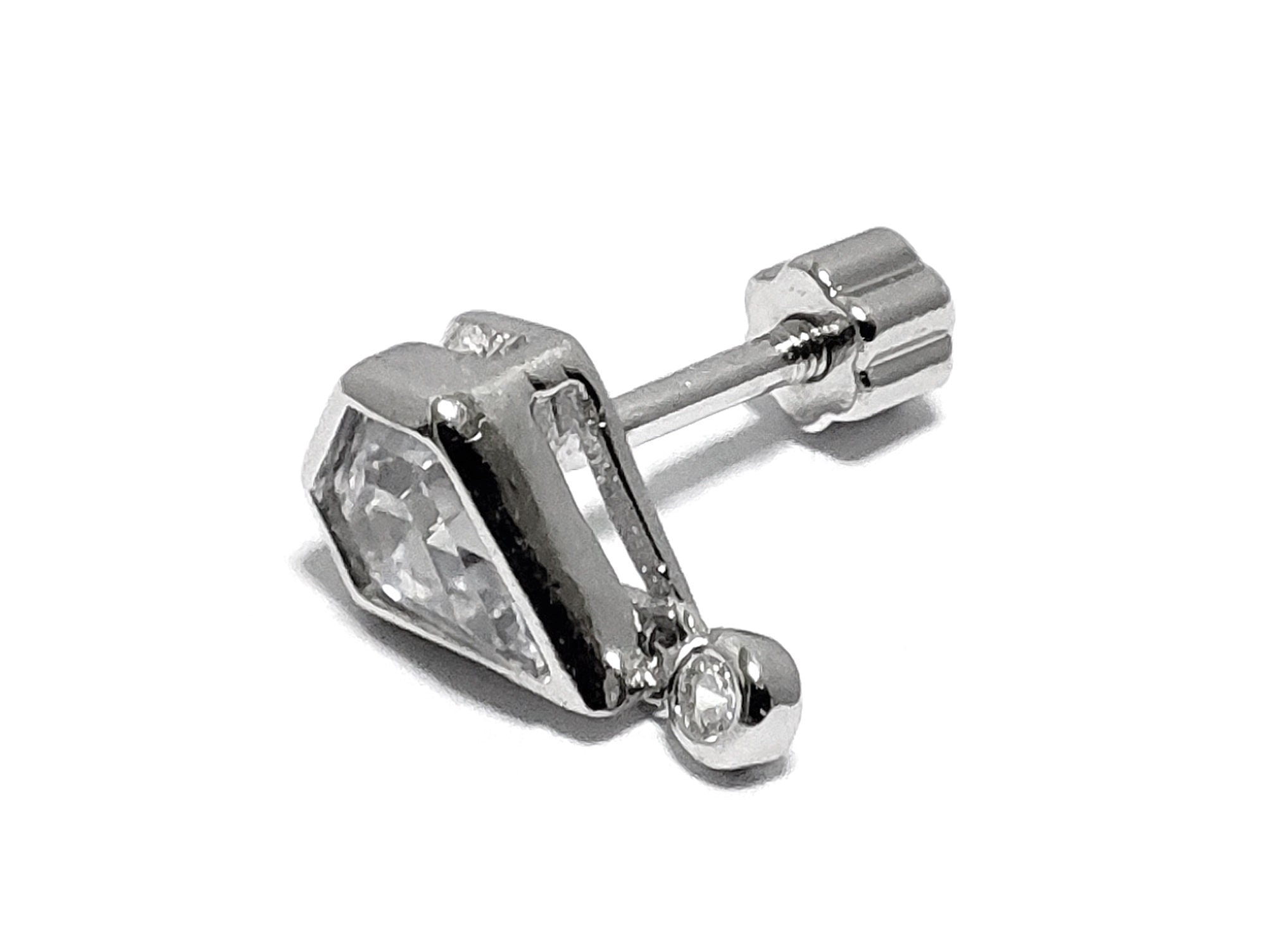
These placements generally suit curved barbells, small studs, and captive-bead or seam rings once healed. Our Titanium Rook Piercing Jewelry Earring comes in 14g to 18g with a curved bar and is available as an internally or externally threaded piece. The Silver Dangly Cartilage Earring is a good fit for a helix or upper ear placement with a dangle detail.
Types of Ear Piercing Jewelry and When to Change It
Jewellery choice affects how a piercing heals as much as aftercare does. The two things that matter most for a new piercing are the material and the fit.
Materials. Implant-grade titanium is a common choice for piercings. Niobium and surgical stainless steel are also used, though steel can contain nickel and is a poorer choice if you know you are sensitive to it. Solid 14K or 18K gold is generally acceptable once a piercing is healed, but gold-plated or gold-filled pieces are not suitable for healing piercings because the plating can flake and trap bacteria. Our titanium pieces are implant-grade, and our 14K gold pieces are hallmarked by the UK Birmingham Assay Office.
Sizing and fit. A new piercing needs a bar long enough to allow for swelling, but not so long that it catches on hair or clothing. Most piercers start with a slightly longer bar and then downsize once the initial swelling settles, often around the four-to-eight-week mark for lobes and later for cartilage. A hoop that is too small can pinch the tissue, and a stud that is too short can embed in a swollen ear. If you are unsure of your gauge, check the product listing: our helix barbell, for example, is a 20g with a 9mm bar, while the rook piece runs 14g to 18g.
When to change jewellery. Change jewellery only after the piercing has fully healed, not just when it stops hurting. Watch out: switching to a new piece too early can make a healing piercing tear or close, so wait until the tissue feels settled and a piercer confirms the fistula has formed.
How to change it safely. Wash your hands, clean the jewellery and the piercing site, and work over a clean surface so a dropped piece does not roll away. If the new jewellery is threaded, check that the ball or top is secure before you let go. If the piercing feels tight, hot, or starts to bleed, stop and let a piercer change it for you rather than forcing the fit.
Once healed, you can change styles freely with the jewellery options available.
Choosing the Right Ear Piercing for Your Anatomy and Booking Your First Piercing
Choose a placement based on your ear shape, your pain tolerance and how much healing time you can accept. A narrow ear may limit helix placements, while a broad ear gives more room for stacking.
Book with an experienced piercer. Ask about their process before the appointment. Many people start with a lobe or upper lobe piercing and add cartilage placements once they know how their ears respond.
If you want to explore more, browse our daith piercing jewellery or conch piercing earrings and jewellery. For a deeper look at materials and healing, read our best titanium jewellery for healing guide.
Ready to build your ear stack? Pierced and Lovely offers handcrafted 14K gold and implant-grade titanium pieces for every placement, so you can start with one piece and add more as your ears heal.
Frequently Asked Questions
What are the prettiest ear piercings?
Popular choices include the helix, forward helix and conch, because cartilage placements sit well in a curated ear stack. Stacked lobes and a flat piercing are also widely worn. Pick the placement that suits your ear shape and the jewelry you like, then choose a design you can wear comfortably through the full healing period. Pierced and Lovely's silver and gold-plated helix barbells in 20g are a practical starting point for cartilage.
How long do different ear piercings take to heal?
Earlobe piercings typically heal in several weeks, while cartilage piercings take considerably longer, so they need more patience. Keep the jewelry in and avoid changing it until the piercing is fully healed.
Which types of ear piercings are suitable for my ear anatomy?
Suitability depends on your ear shape and the thickness of your cartilage. Lobes are the most common placement, while helix and tragus piercings need enough cartilage to sit flat. A piercer can assess your anatomy before you commit, and they may suggest an alternative placement if a spot is too thin or too curved. Check with a professional first if you have any unusual placements in mind.
